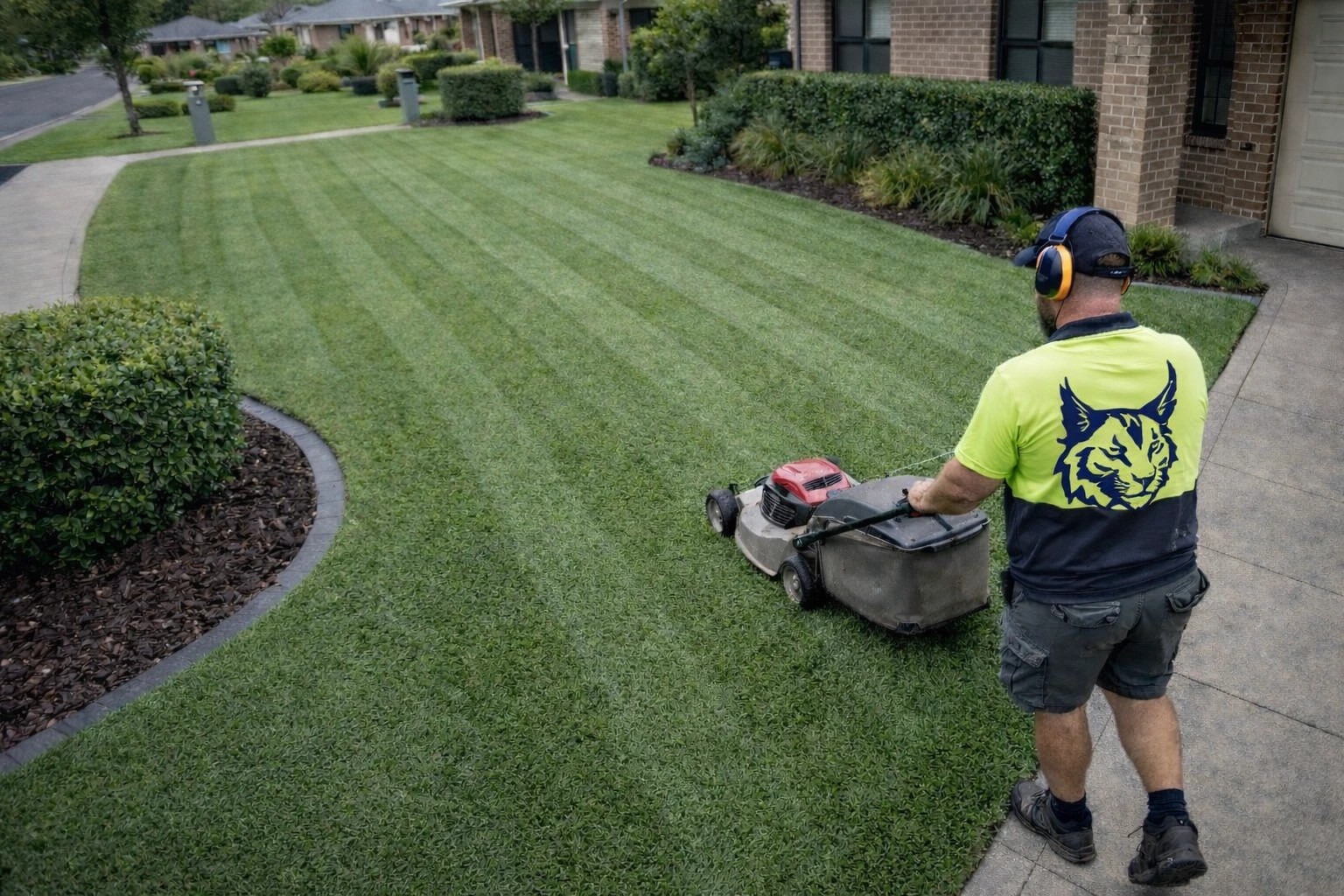
Lush Green Lawn in Cessnock: Your Seasonal Guide
Quick answer: To maintain a lush green lawn in Cessnock, adapt your care routine to the seasons. Water deeply in summer, aerate and fertilise in autumn, reduce maintenance in winter, and feed and manage weeds in spring. Choosing a drought-tolerant grass like Buffalo or Couch is essential for the climate.
Key takeaways
- Adapt your lawn care to Cessnock's four distinct seasons.
- Water deeply and less frequently, especially in summer.
- Autumn is the key season for lawn recovery and preparation.
- Choose warm-season grasses like Buffalo or Couch for best results.
- Consistent effort is the secret to a healthy, green lawn year-round.
Achieving a lush green lawn in Cessnock is the great Australian dream, but our unique climate demands a smart approach. With scorching summers and cool winters, you can't just "set and forget." This guide provides a clear, season-by-season plan to help you cultivate a beautiful, resilient lawn that becomes the envy of your street.
What Are the Fundamentals of Cessnock Lawn Care?
The keys to a healthy Cessnock lawn are strategic mowing, deep watering, seasonal fertilising, and proactive weed control. Mastering these four elements and adapting them to the Hunter Valley's climate will ensure your grass thrives year-round, handling everything from summer heatwaves to winter chills.
Mowing Matters
Regular mowing encourages thicker, healthier growth. The rule of thumb is to never remove more than one-third of the grass blade at a time. Cutting too short, also known as "scalping," stresses the lawn, invites weeds, and exposes the soil to the harsh sun.
Watering Wisely
Deep, infrequent watering is far better than a light daily sprinkle. This method encourages the grass roots to grow deeper into the soil in search of moisture, making your lawn significantly more drought-tolerant—a crucial trait in our region. Estimates suggest that deep watering can make lawns up to 70% more resilient during dry spells.
Feeding for Success
Your lawn is a living thing that needs food. A quality, slow-release fertiliser applied at the right time provides the essential nutrients for strong roots and vibrant green blades. The type of fertiliser and application timing will change with the seasons.
How Do I Care for My Lawn in a Cessnock Summer?
Summer lawn care is all about survival and stress management. Your goal is to help your grass withstand the intense heat and reduced rainfall by watering deeply and mowing higher to protect the soil and roots.
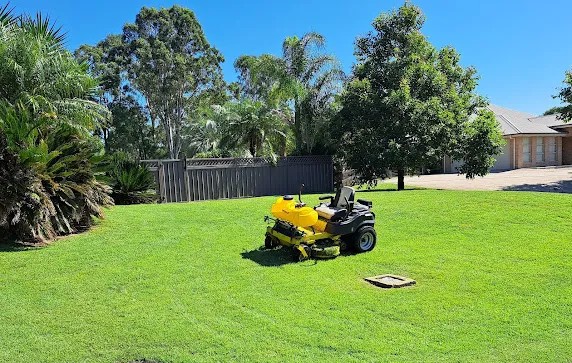
During the hottest months, water your lawn in the early morning between 4 am and 8 am. This minimises evaporation and allows the water to soak in deeply before the sun gets too high. Raise your mower height to let the longer blades of grass shade the soil, keeping it cooler and reducing moisture loss. Keep an eye out for common summer pests like Armyworm or Lawn Grub, which can cause significant damage quickly.
What is the Best Autumn Lawn Care Strategy?
Autumn is arguably the most important season for lawn care because it's all about recovery and preparation. This is your chance to repair summer damage and strengthen your lawn for the approaching winter dormancy, setting it up for a fantastic spring.
As the intense heat subsides, it's the perfect time for tasks like aeration and dethatching. Aerating involves creating small holes in the soil to relieve compaction, a common issue in the Hunter Valley's clay soils. This allows air, water, and fertiliser to penetrate the root zone more effectively. Follow up with a quality, phosphorus-rich fertiliser to promote strong root development before winter arrives.
"Don't underestimate the power of an autumn feed. You're not just feeding the plant for today; you're building its energy reserves to survive winter and burst into life in spring." — Jane Mitchell, Certified Horticulturist, Lawn Care Australia
How Should I Maintain My Lawn in Winter?
Winter lawn maintenance is minimal, as cool-season grasses slow their growth dramatically. The primary goals are to prevent frost damage, keep the lawn free of debris, and tackle winter weeds before they take over.
Greatly reduce your mowing frequency, only cutting when necessary. Water only if there are extended dry periods, and do it mid-morning so the grass can dry before nightfall, reducing the risk of frost damage or fungal disease. Rake up any fallen leaves or branches promptly, as they can smother the grass and block out precious winter sunlight. This is also a great time to tackle broadleaf weeds like bindii and clover.
Why is Spring Lawn Care So Important?
Spring lawn care is vital because it wakes your lawn from dormancy and sets its growth trajectory for the entire year. A well-executed spring routine revitalises the grass, preparing it to be thick, strong, and resilient ahead of summer.
As the soil warms up, your lawn will start growing actively again. This is the time to apply a balanced, nitrogen-rich fertiliser to encourage vigorous, green growth. Gradually increase your mowing frequency as the growth rate picks up. Spring is also the critical window for applying a pre-emergent herbicide to prevent summer weeds like crabgrass from germinating. According to industry research, a pre-emergent can prevent over 80% of annual grassy weeds.
Seasonal Lawn Care at a Glance
Feeling overwhelmed? Here’s a simple table to summarise the key activities for your Cessnock lawn throughout the year.
| Season | Mowing | Watering | Fertilising | Key Tasks |
|---|---|---|---|---|
| Summer | Mow high (5-7 cm) | Deep & infrequent (1-2 times/week) | Optional light feed if needed | Pest monitoring |
| Autumn | Gradually lower height | As needed | Apply slow-release fertiliser | Aerate & dethatch |
| Winter | Infrequent, mow high | Minimal, only when dry | Not required | Weed control, clear debris |
| Spring | Increase frequency | Increase as it warms | Apply balanced fertiliser | Weed prevention |
A beautiful lawn is a year-round commitment, but the results are well worth the effort. By following this seasonal guide, you’ll give your grass exactly what it needs to thrive in Cessnock's demanding climate. From the deep watering of summer to the crucial aeration of autumn, each step builds on the last to create a truly stunning green space.
If the seasonal demands of aeration, fertilising, and pest control feel like too much, consider getting professional help. A local expert will have the right equipment and knowledge for our specific conditions. For a comprehensive assessment and reliable service, check out Lynx Lawn Care — they have what you need to get your lawn looking its best.
Frequently Asked Questions
How often should I water my lawn in Cessnock during summer?
Water your lawn deeply 1-2 times per week in summer, preferably in the early morning. This encourages deep root growth, making the grass more drought-resistant. Avoid frequent shallow watering, which promotes weak, shallow roots and encourages weed growth.
What's the best type of grass for the Cessnock area?
The best grasses for Cessnock are warm-season varieties. Sir Walter Buffalo is an excellent all-rounder, known for its shade and drought tolerance. Couch and Zoysia are also fantastic choices, offering high durability and heat resistance, perfect for the Hunter Valley climate.
When is the best time to fertilise my lawn?
The best times to fertilise are in early spring to kickstart growth and in autumn to help it recover from summer and prepare for winter. Use a balanced, slow-release fertiliser. A light feed in summer can also be beneficial if the lawn looks stressed.
How do I get rid of bindii and other weeds?
Treat weeds like bindii in late winter or early spring before they set seed. A selective broadleaf herbicide will target the weeds without harming your grass. For ongoing control, a healthy, thick lawn is the best defence as it crowds out potential weeds.
Is it necessary to aerate my lawn?
Yes, aerating your lawn, especially in autumn, is highly beneficial for Cessnock's clay-based soils. Aeration reduces soil compaction, allowing water, air, and nutrients to reach the root zone. This results in a stronger, healthier lawn that can better withstand heat and drought.
